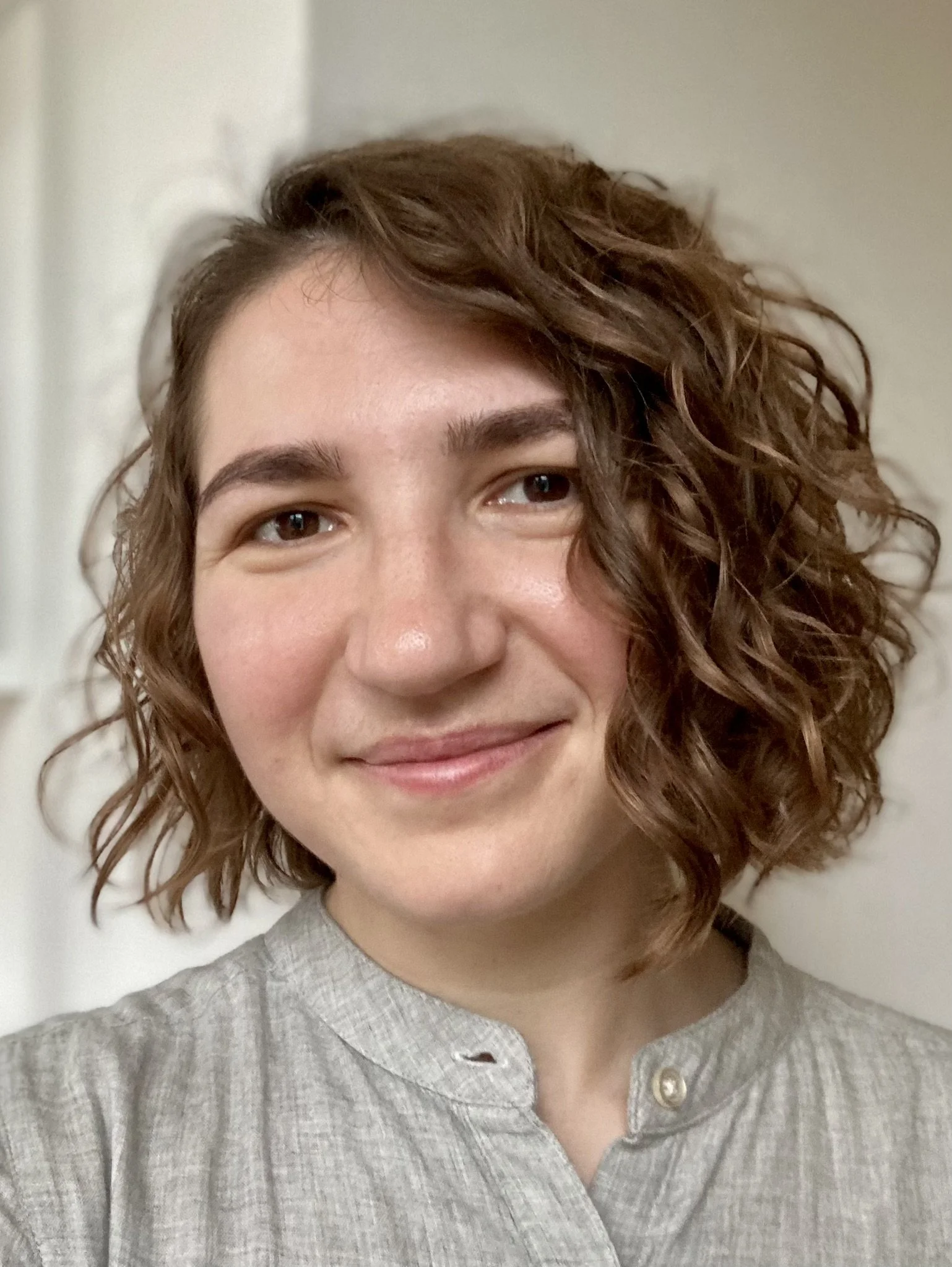
Ukrainian Sunrise
Stories of the Donetsk and Luhansk Regions from the Early 2000s
Kateryna Zarembo – Author
Tetiana Savchynska – Translator
Publisher: Choven Publishing House / Academic Studies Press
Language of translation: English
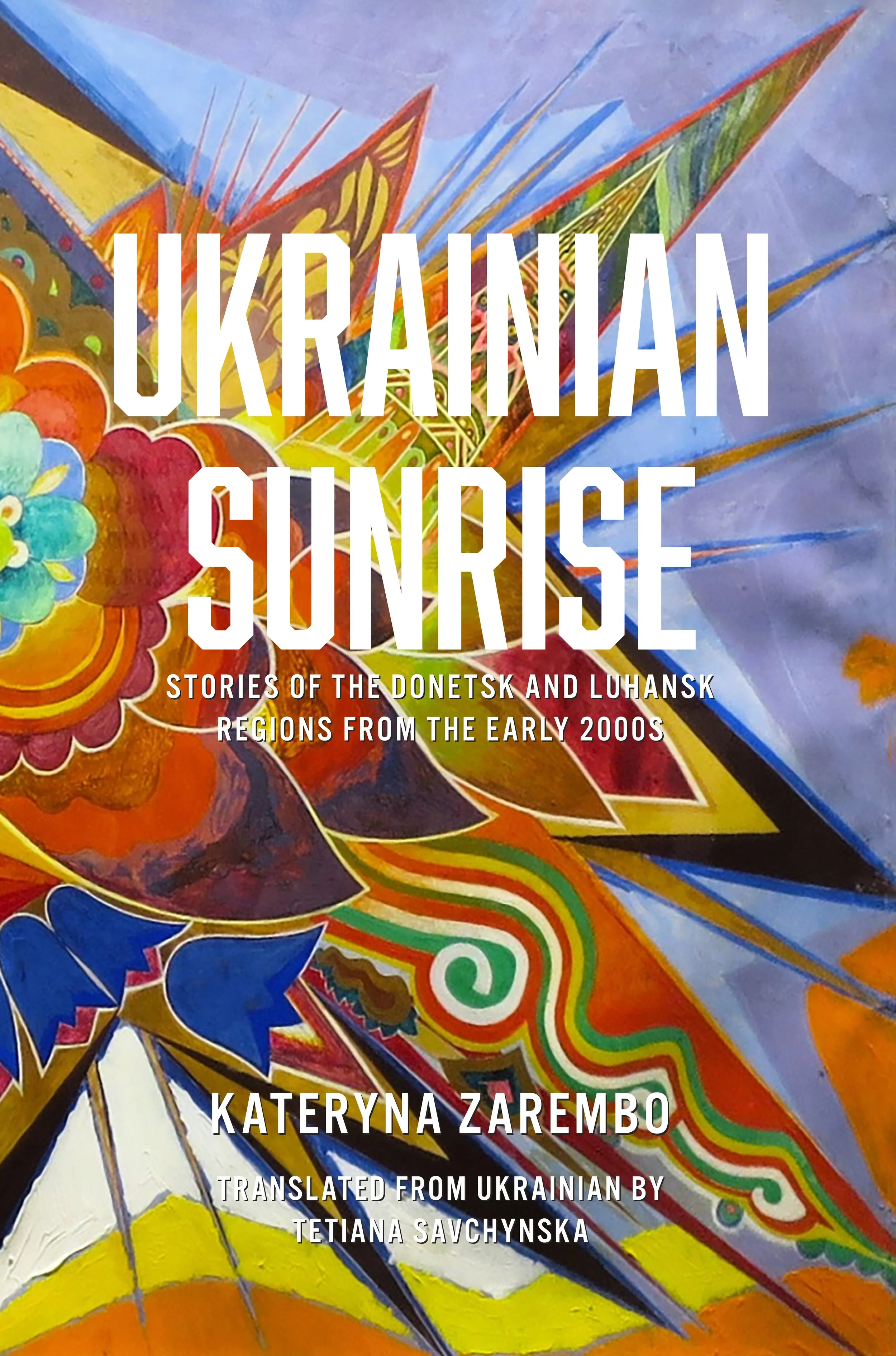
Zarembo Kateryna /Author
In Ukrainian Sunrise, Kateryna Zarembo offers a nuanced and deeply researched portrait of Ukraine’s eastern regions of Donetsk and Luhansk before Russia’s 2014 invasion. Based on extensive fieldwork, repeated journeys, and interviews with local residents, the book challenges simplified and often distorted narratives that have long dominated media and political discourse. Zarembo reveals a region far more complex, diverse, and rooted in Ukrainian civic and cultural life than commonly portrayed.
The book opens with a critical examination of the very concept of “Donbas,” tracing how Soviet ideology reduced the region to a narrowly defined industrial myth. Zarembo demonstrates how this narrative erased entire communities, marginalized rural populations, and misrepresented linguistic realities. She dismantles the notion that the region was inherently Russian-speaking or predisposed to separatism, arguing instead that these ideas were artificially constructed and later weaponized by Moscow and local political elites.
Subsequent chapters explore the vibrant civic and cultural life that flourished in eastern Ukraine prior to the invasion. Zarembo documents grassroots organizations such as the Donetsk-based group Poshtovkh (“Impulse”), which played a key role in the Ukrainian cultural revival of the early 2000s. She highlights how artists, writers, musicians, and theatre practitioners formed underground cultural networks that resisted both Soviet legacies and political repression. The book also traces the region’s European influences from the late nineteenth and early twentieth centuries, revealing historical ties to Belgian, German, French, and British communities that shaped its development.
Zarembo further examines the overlooked role of villages as carriers of Ukrainian identity and explores the religious diversity of the region, including Protestant, Orthodox, Greek Catholic, and Muslim communities, many of which re-emerged following Ukraine’s independence after decades of Soviet persecution. The book concludes by underscoring the civic engagement of youth movements and football fan communities, whose activism became instrumental in defending Ukraine’s democratic values.
Since 2024, Kateryna Zarembo has served as a combat medic with the Hospitaliers Medical Battalion, continuing to travel to Donetsk and Luhansk regions—now on the front lines of the very history she so powerfully documents. Her work stands as both a scholarly contribution and a testament to the lived realities of Ukraine’s eastern regions, offering essential context for understanding the roots of Russia’s aggression and the resilience of Ukrainian society.