Awards & Grants For Translators
Translated Book Award
The Peterson Literary Fund Translated Book Award is presented biennially. The Translated Book Award recognizes the best recently published translated books of non-fiction or fiction.
The award is given to books translated into Ukrainian from another language or translated from Ukrainian into another language. Submissions are encouraged for books translated to Ukrainian from English or French and vice-versa, namely, from Ukrainian into English or French
Translated books published in a language other than Ukrainian, English, or French, will be considered, if the subject matter promotes a better understanding of Ukraine or the Ukrainian people or is deemed to be of significant interest to the global Ukrainian community.
Translations-in-Progress Grant
The Translation-in-Progress Grant is awarded biennially to deserving translators of literary works of fiction and non-fiction that promote a better understanding of Ukraine or the Ukrainian people or are deemed to be of significant interest to the global Ukrainian community.
The aim of the grant is to facilitate translations of important works primarily from Ukrainian to other languages or vice-versa and to promote the publication of such works.
Funding is given to translations-in-progress, as the grant aims to provide support for completion. The grant seeks to encourage translators to undertake projects they might not otherwise have had the means to commence.
Translated Book Award
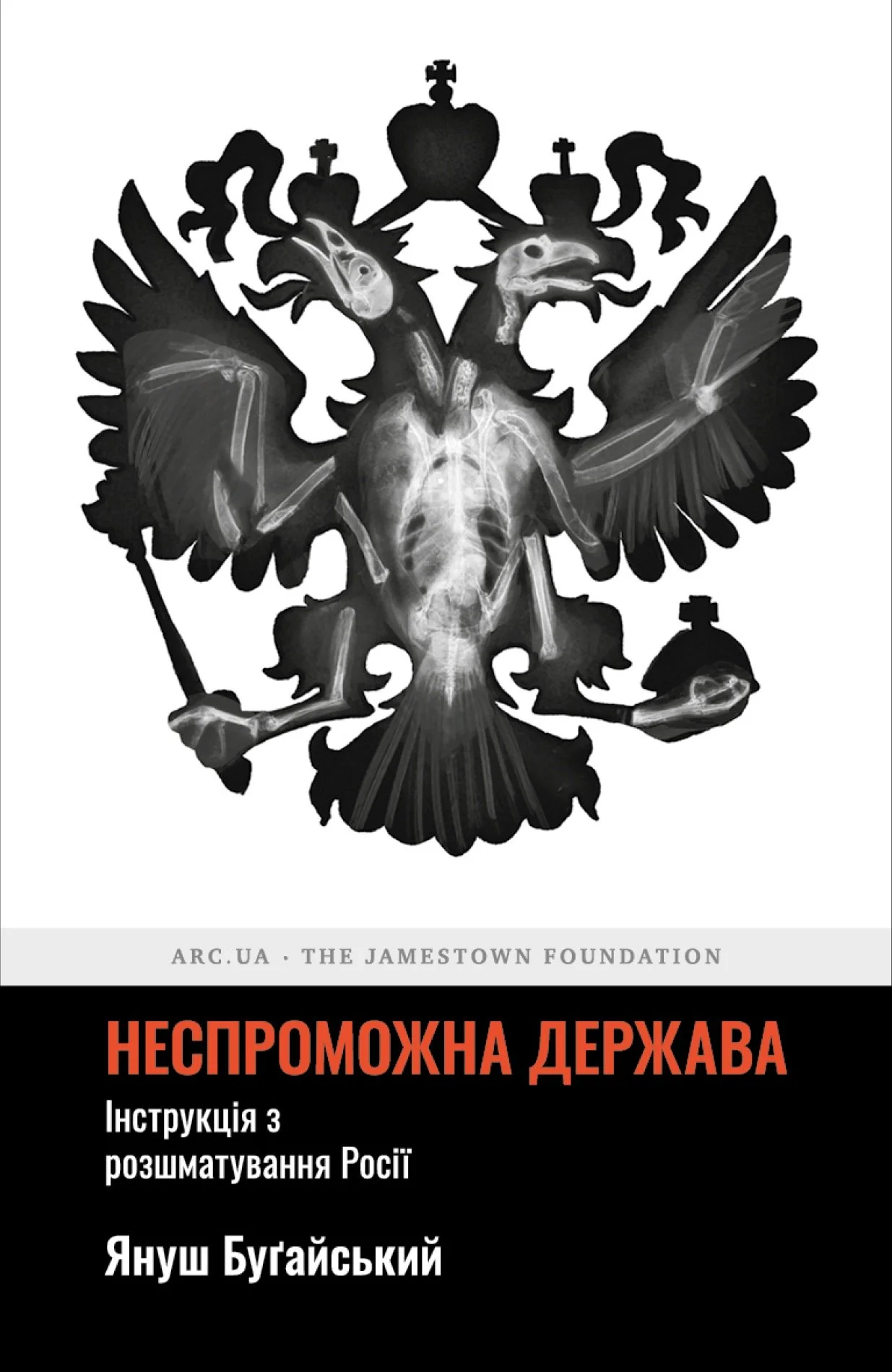
In this book, Janusz Bugajski argues that the Russian Federation is not a stable successor to the Soviet Union but a failed state confronting profound structural and political decay. After three decades of failed efforts to transform Russia into a nation-state, a civic polity, or a sustainable empire, the federation remains built on fragile historical foundations and lacks a shared national identity capable of uniting its population. Instead, Russia is defined by deep internal conflict—between nationalists, imperialists, centralists, liberals, and federalists—alongside growing tensions between Moscow and the country’s regions and ethnic republics.
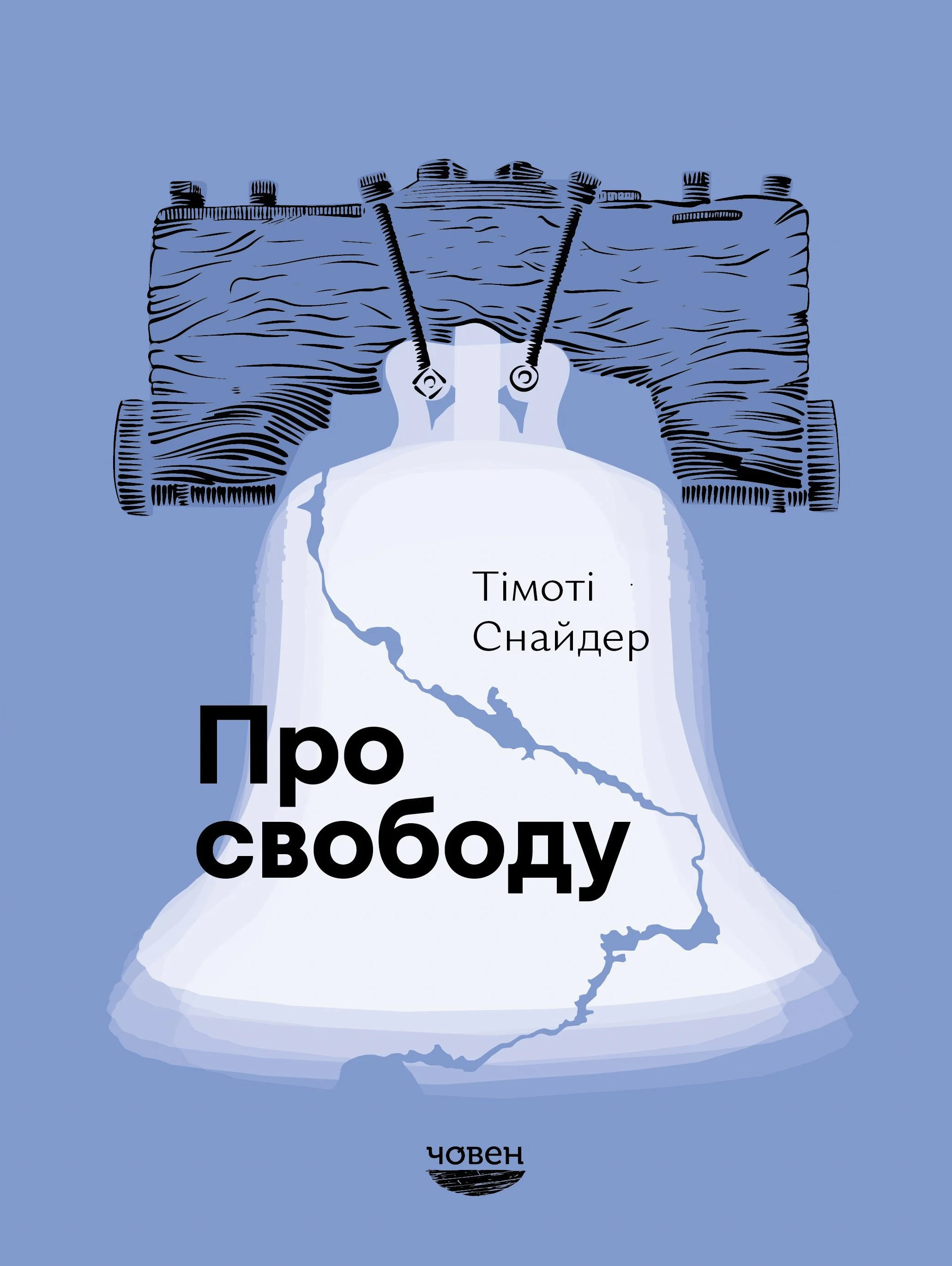
In his book On Freedom, Timothy Snyder examines one of the most invoked yet least understood ideals of modern political life. While freedom is often celebrated as a defining feature of democratic societies, Snyder asks a more fundamental question: what does it truly mean to be free, and how can freedom be sustained in an increasingly complex and fragile world?
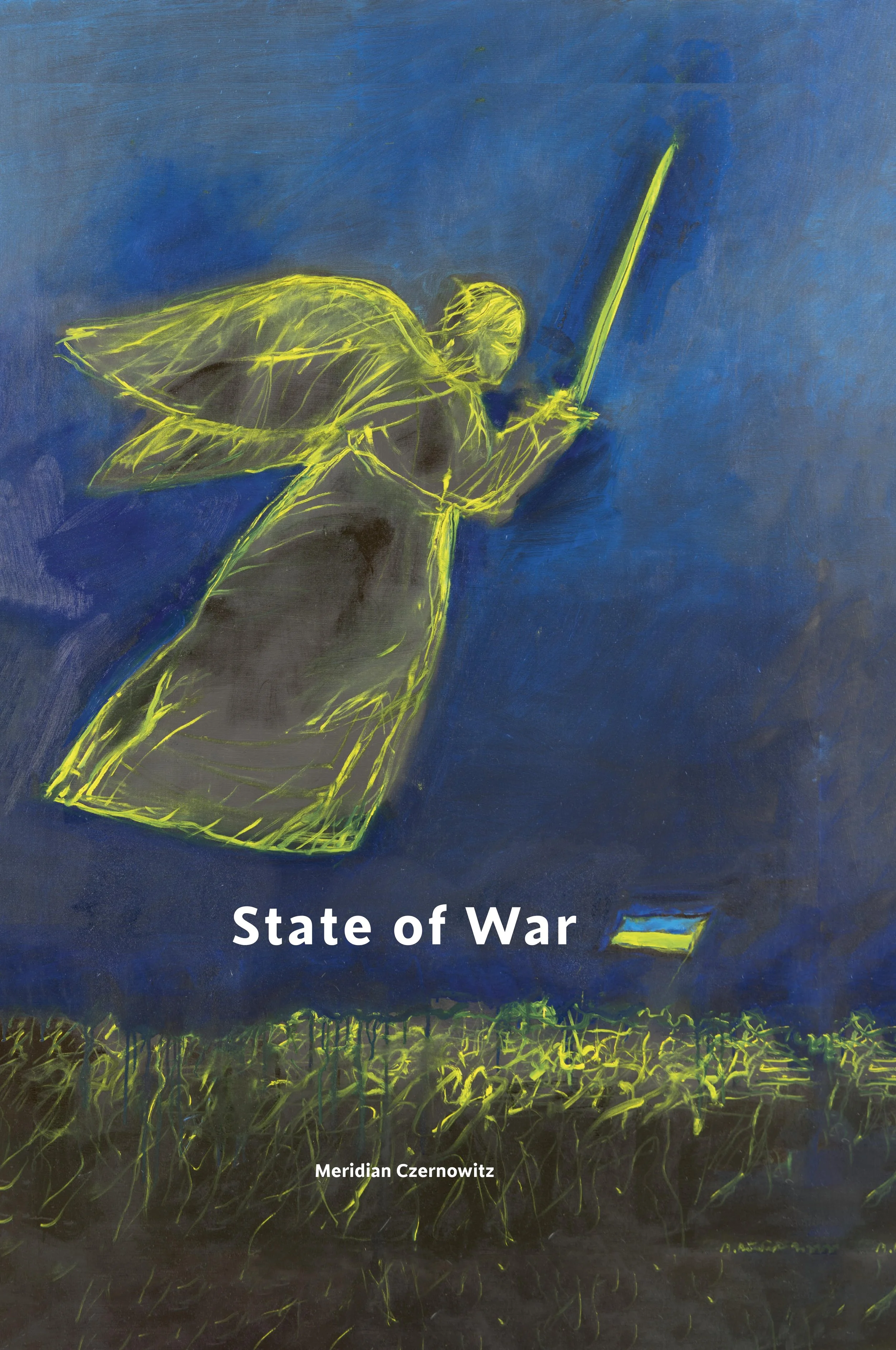
This anthology brings together 35 powerful texts by some of Ukraine’s most prominent writers and intellectuals, offering an unflinching account of the first year of Russia’s full-scale war against Ukraine. Through essays, reflections, and personal testimonies, the contributors confront the brutality of war with honesty and moral clarity, preserving the lived experiences of those who witnessed its earliest and most devastating stages. The collection affirms the enduring power of truth and memory, ensuring that the realities of this war are neither forgotten nor diminished over time. It speaks not only to the tragedy of conflict, but also to the painful necessity of resistance in defence of home, dignity, and freedom.
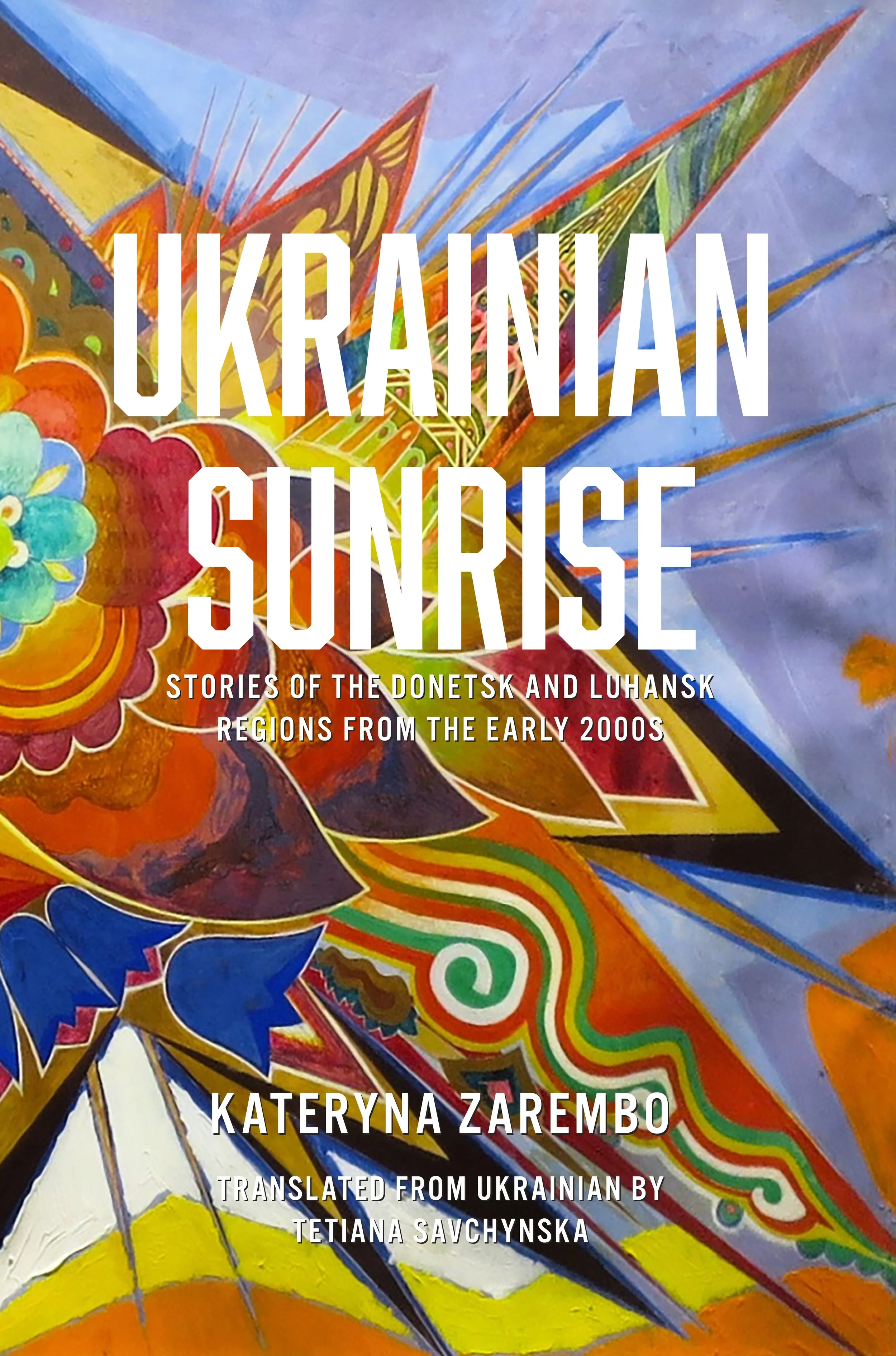
In Ukrainian Sunrise, Kateryna Zarembo offers a nuanced and deeply researched portrait of Ukraine’s eastern regions of Donetsk and Luhansk before Russia’s 2014 invasion. Based on extensive fieldwork, repeated journeys, and interviews with local residents, the book challenges simplified and often distorted narratives that have long dominated media and political discourse. Zarembo reveals a region far more complex, diverse, and rooted in Ukrainian civic and cultural life than commonly portrayed.
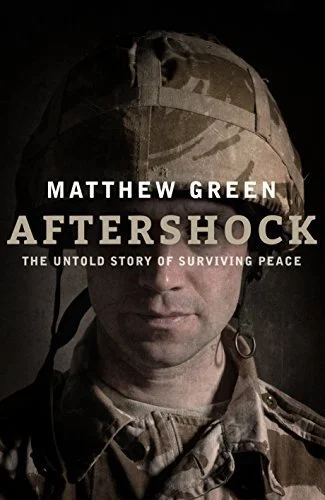
Author: Matthew Green
Translator: Iryna Reformator
Aftershock follows the journey of veterans as they return from the battlefield into civilian life, exploring the hidden wounds of war—psychological trauma, moral injury, and the struggle to heal. Green presents vivid narratives of ex-servicemen and women whose return is marked by anguish, guilt, and dislocation, set against the broader evolution of military psychiatry from “shell shock” to modern PTSD. Through rigorous research and empathetic storytelling, Aftershock asks what it means “to survive peace” and calls for a more compassionate response to the long, often invisible cost of war.

Author: Iryna Vilde
Translator: Ali Kinsella
Butterflies Under Glass by Iryna Vilde is a beautifully crafted coming-of-age story set in a diverse Ukraine on the brink of change. With warmth and psychological depth, Vilde follows a young girl’s journey toward self-understanding amid friendship, pain, and hope. Her prose recalls the emotional intensity of Elena Ferrante, yet it remains distinctly Ukrainian in its vision of independence and resilience. Long cherished at home, Butterflies Under Glass now reaches English readers as a rediscovered classic of world literature.
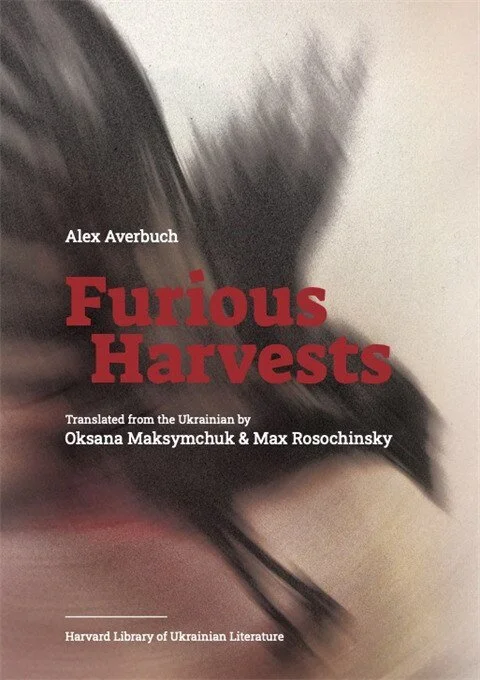
Author: Alex Averbuch
Translators: Oksana Maksymchuk, Max Rosochinsky
This volume presents the first standalone English translations of a selection of poems by Alex Averbuch, drawn from his acclaimed collection The Jewish King (Kyiv, 2021), which was shortlisted for Ukraine’s Shevchenko National Prize. Averbuch’s work examines the region’s layered history—war, occupation, oppression, displacement—through the lens of personal and family stories. Many poems are rooted in archival “found texts”: letters from Ostarbeiters and Holocaust survivors, preserved in their original dialect and orthographic irregularities, creating a powerful, haunting “poetry of memory.” The volume’s final cycle confronts the current Russo-Ukrainian war, especially in Averbuch’s native Luhansk region, bearing witness to destruction, displacement, and resilience in the present day.
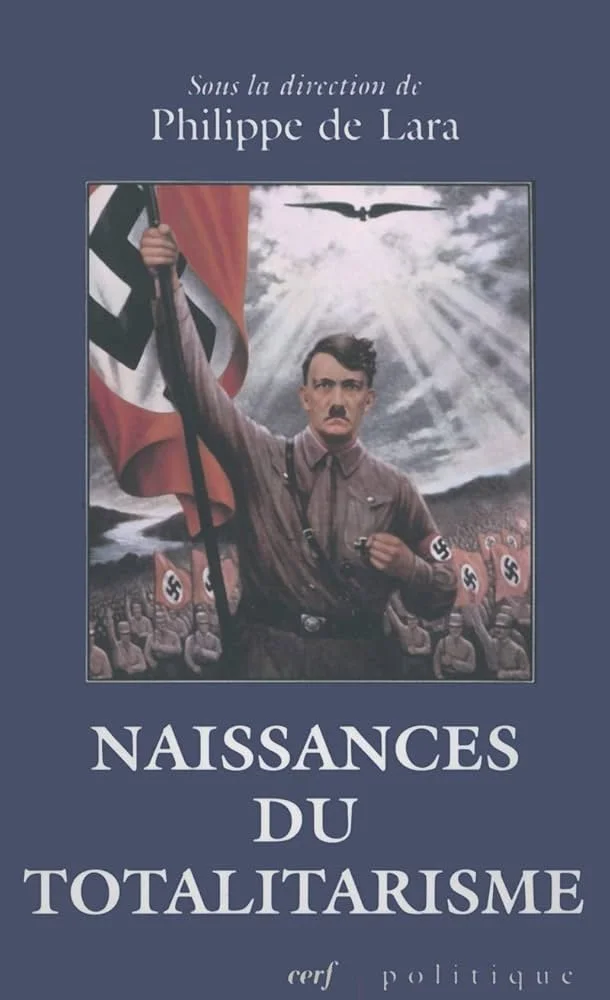
Author: Philippe de Lara
Translator: Dmytro Karatieiv
Naissances du totalitarisme by Philippe de Lara offers a profound exploration of the origins and evolution of totalitarian ideologies in the twentieth century. Through an analysis of communist, fascist, and Nazi revolutions, de Lara reveals how political violence and systems of control take root and sustain themselves. His study sheds light on the mechanisms of fear, propaganda, and conformity that enable such regimes to flourish—and ultimately collapse.
For Ukraine, a nation that endured Soviet totalitarianism and now faces renewed authoritarian aggression, this book carries urgent relevance. It serves as both a historical reflection and a warning, deepening understanding of how democracy can be defended against its most dangerous enemies.
Author: Philippe de Lara
Translator: Dmytro Karatieiv
Naissances du totalitarisme by Philippe de Lara offers a profound exploration of the origins and evolution of totalitarian ideologies in the twentieth century. Through an analysis of communist, fascist, and Nazi revolutions, de Lara reveals how political violence and systems of control take root and sustain themselves. His study sheds light on the mechanisms of fear, propaganda, and conformity that enable such regimes to flourish—and ultimately collapse.
For Ukraine, a nation that endured Soviet totalitarianism and now faces renewed authoritarian aggression, this book carries urgent relevance. It serves as both a historical reflection and a warning, deepening understanding of how democracy can be defended against its most dangerous enemies.

Author: Amelia M. Glaser
Translator: Iaroslava Strikha
Stories of Khmelnytsky: Competing Literary Legacies of the 1648 Ukrainian Cossack Uprising explores the life and legacy of Bohdan Khmelnytsky, the Cossack leader whose 1648 revolt against foreign rule helped shape the Ukrainian nation. Remembered as both a founder and a controversial figure, Khmelnytsky’s image has been reinterpreted for centuries across Ukrainian and Russian narratives. This collection brings together leading scholars to examine how his story has been used to define national identity and political legitimacy—and how those interpretations still resonate amid Russia’s war against Ukraine. Featuring essays by George Grabowicz, Frank Sysyn, Adam Teller, and others, Stories of Khmelnytsky invites readers to view history as a space for reflection, dialogue, and renewed understanding.
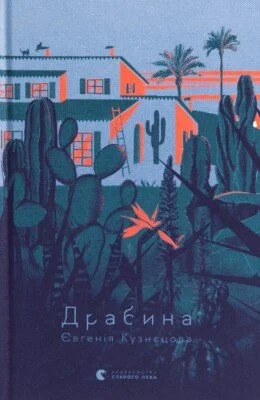
Author: Eugenia Kuznetsova
Translators: Alina Senchenko, Donato Mancini
The Ladder by Eugenia Kuznetsova is a moving novel about a Ukrainian family suddenly displaced by Russia’s invasion. Just as the main character buys his dream home in Spain to escape his family, he finds himself hosting them—along with their friends and pets—after the war forces them to flee. In this tender, often humorous, story, Kuznetsova explores how love, tension, and resilience intertwine under the strain of exile and uncertainty. Drawing from her own experience as a refugee living in Spain, she captures both the absurdity and the heartbreak of displacement. Written in clear, compassionate prose, The Ladder offers a deeply human glimpse into the cost of war and the endurance of family ties.

Stanislav Aseyev – Author
Zenia Tompkins, Nina Murray – Translators
Harvard Ukrainian Research Institute - Publisher
“In recognition of this personal memoir that not only testifies to the human rights violations committed by the Russian Federation, but also exposes the truth behind the existence of unofficial prisons, illegal deprivation of liberty, and torture carried out by the occupier in the city of Donetsk”
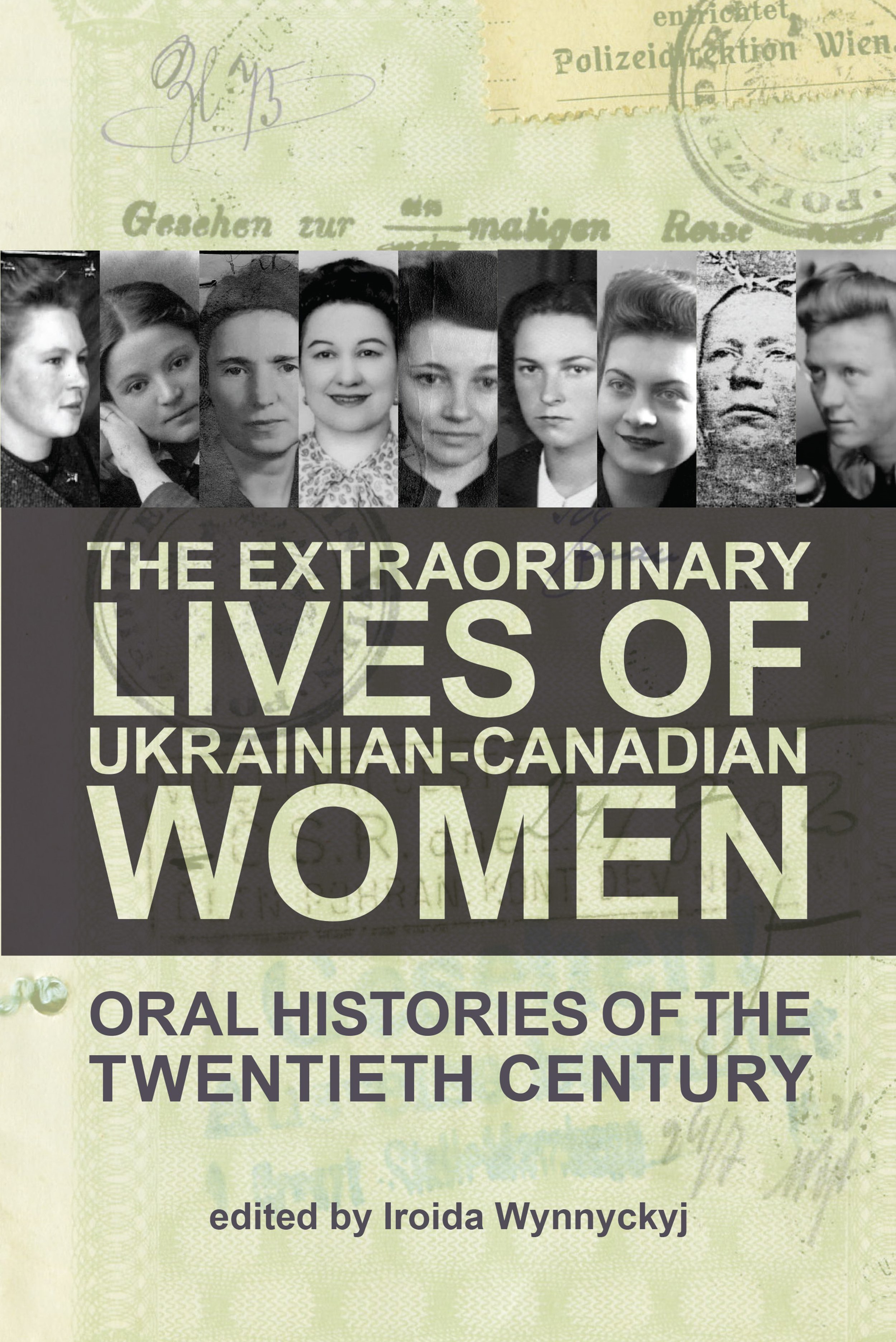
Iroida Wynnyckyj – Editor
Marta Olynyk – Translator
“Recognized for its archival value in providing historians with multigenerational testimonies of Ukrainian Canadian women whose personal stories were shaped by the tumultuous events of two world wars.”
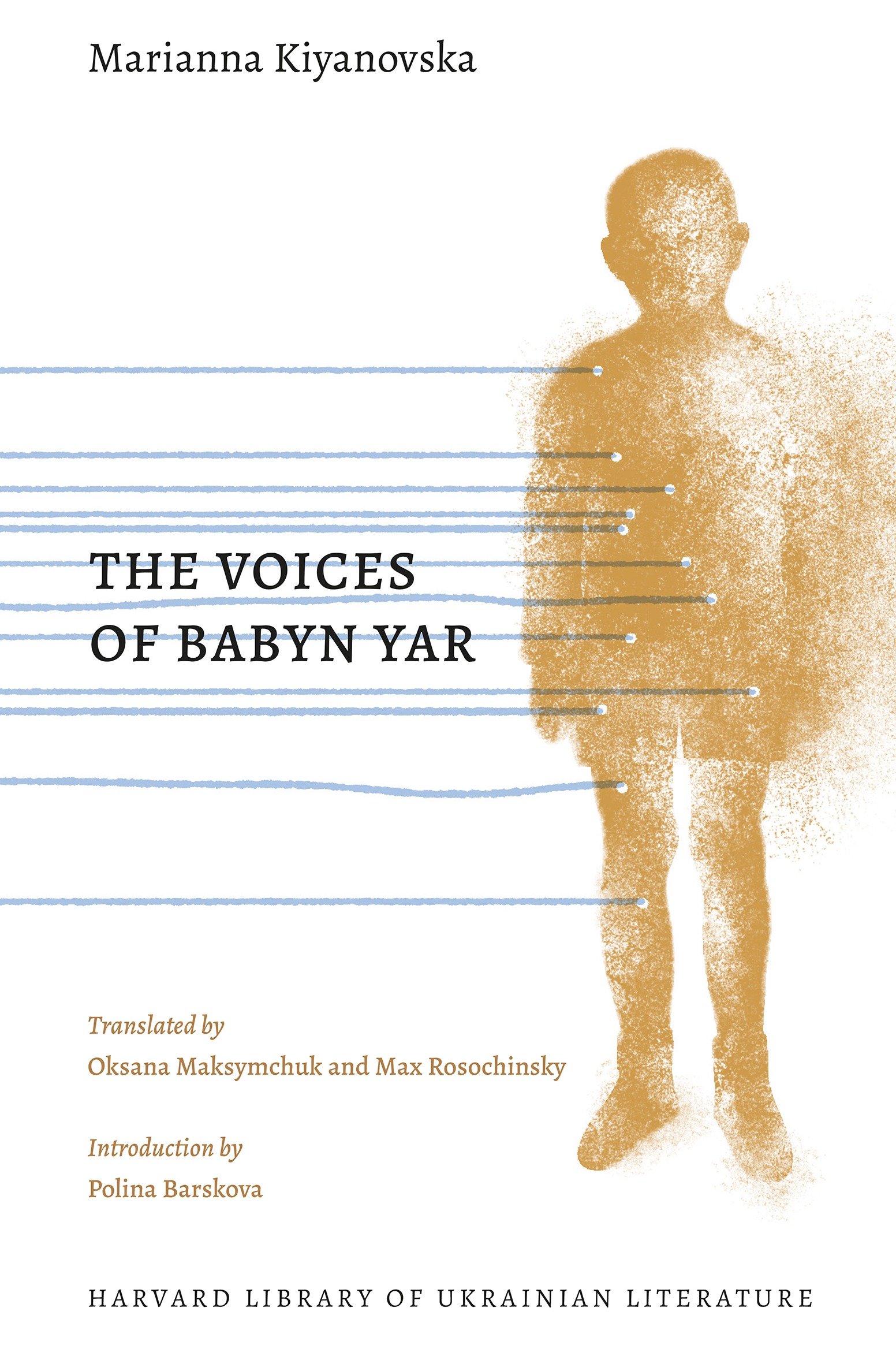
Marianna Kiyanovska – Author
Oksana Maksymchuk, Max Rosochinsky – Translators
Harvard Ukrainian Research Institute – Publisher
“In recognition of its masterful use of poetry to convey the unspeakable crimes committed at Babyn Yar, using a first-person perspective of Jewish voices to raise painful questions related to memory and responsibility.”
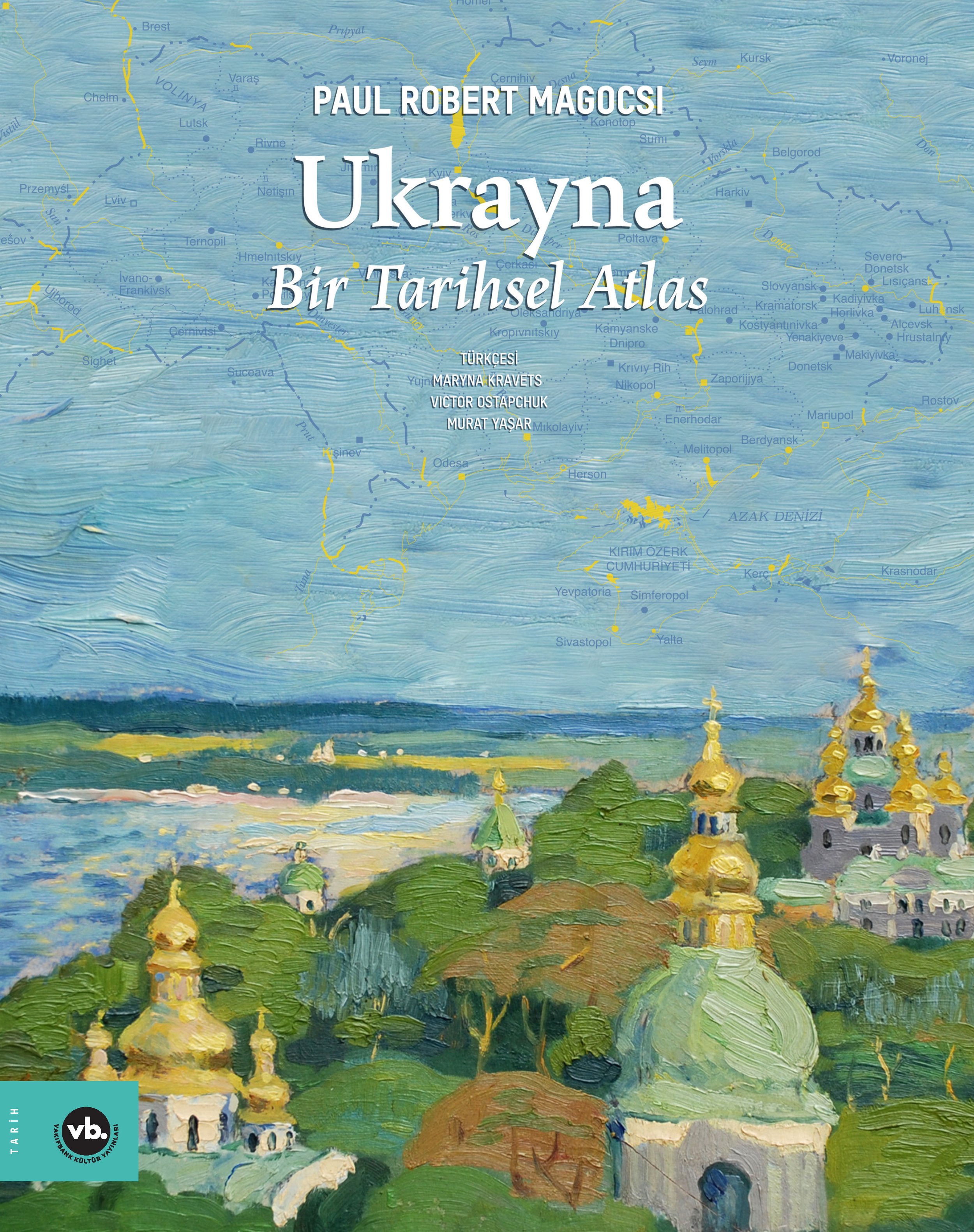
Paul Robert Magocsi – Author
Maryna Kravets, Victor Ostapchuk, Murat Yaşar – Translators
“The Grand Prix is given in recognition of this book’s importance in making Robert Magocsi’s comprehensive history of Ukraine accessible to a Turkish-speaking audience, thanks to its well-crafted translation.”
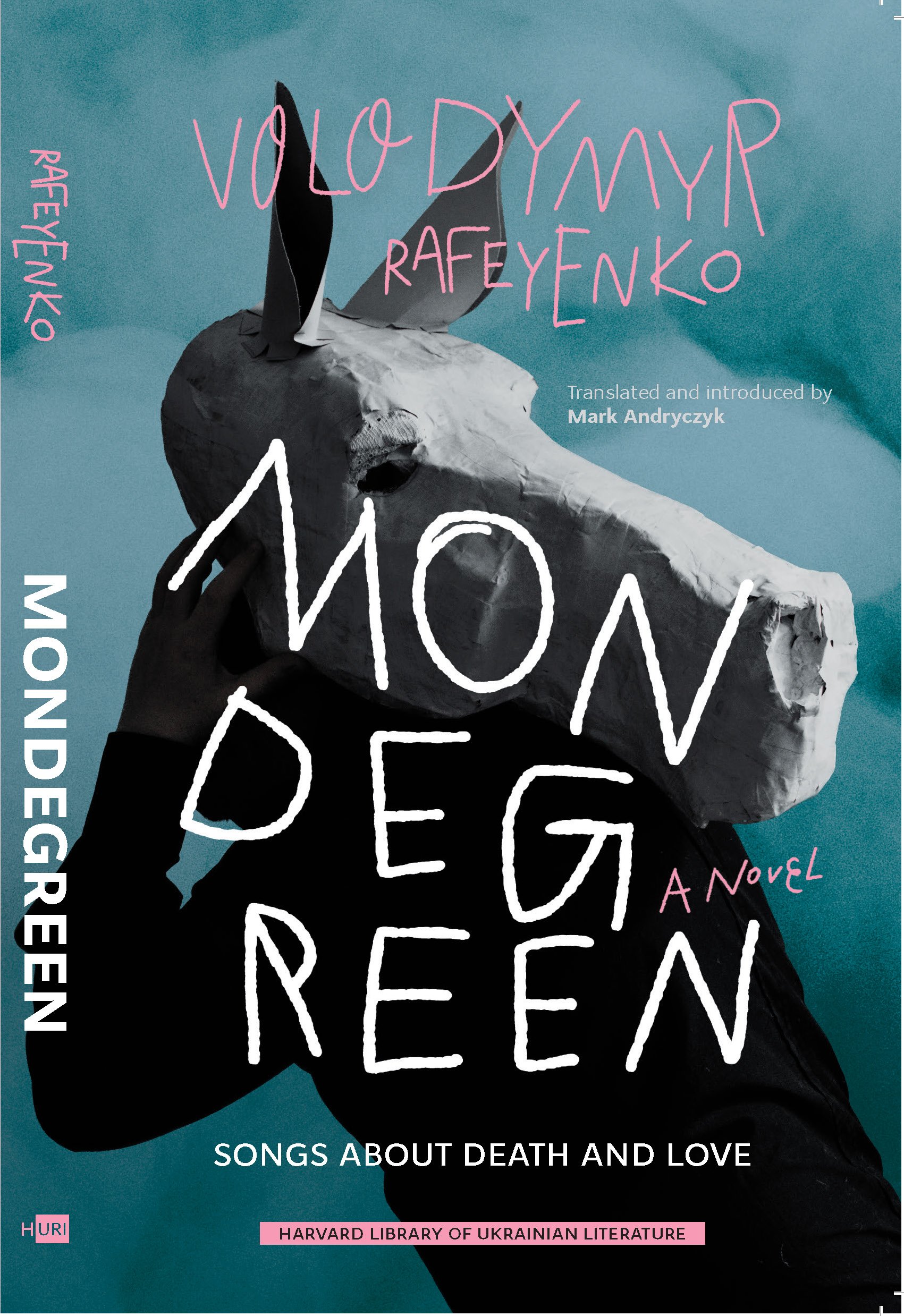
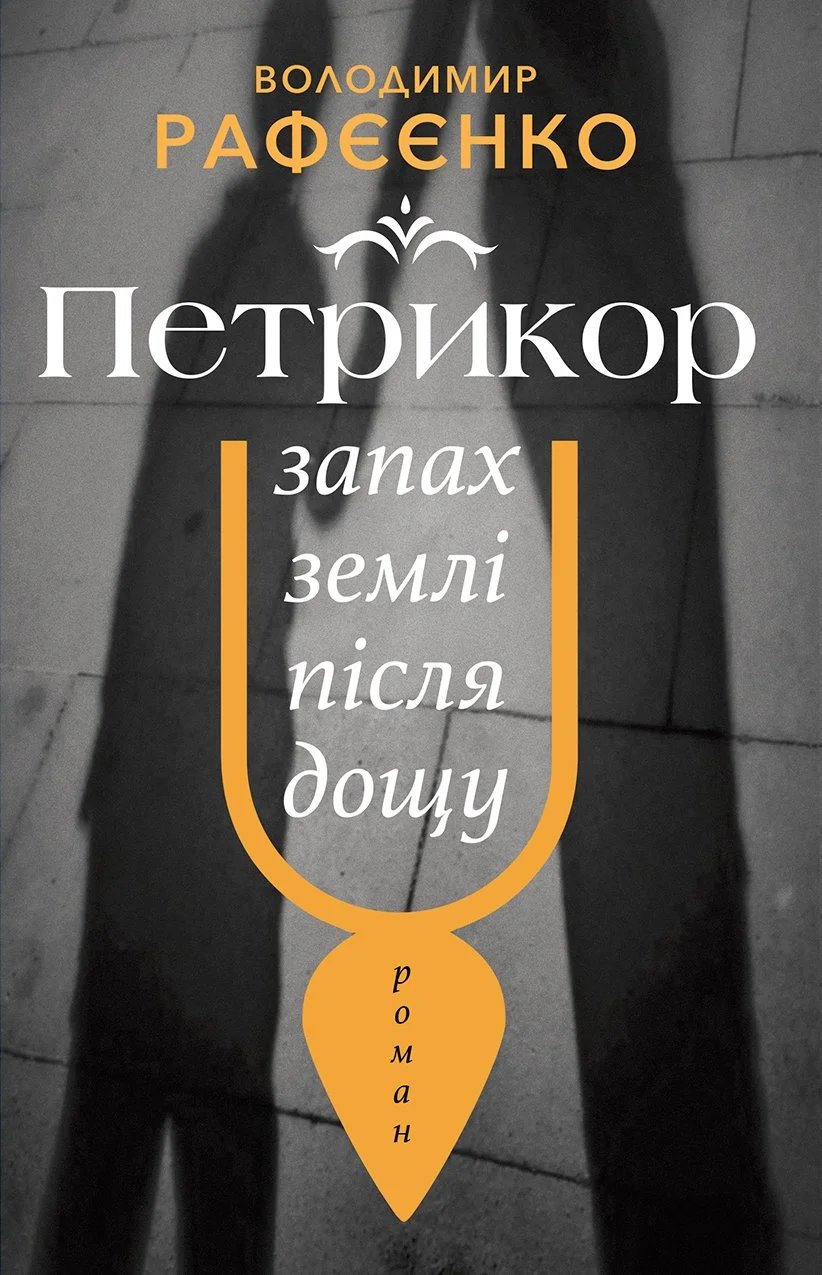
Volodymyr Rafeyenko - author
Mark Andryczyk – Translator
“In recognition of this book’s contribution to important processes of change in the way writers approach language in contemporary Ukrainian literature”
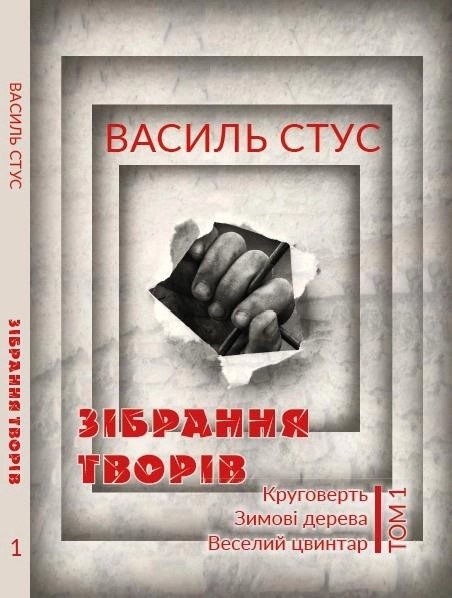
Author: Vasyl Stus
Translators: Bohdan Tokarsky, Nina Murray
Vortex: Vasyl Stus’ Selected Early Poetry is the first professional book-length volume of Stus’ poetry in English translation. The book features more than a decade of Stus’ work, from his earliest texts to the period before his arrest by the KGB in 1972. A book of bold experimentation and virtuoso poetic versatility, Vortex captures Stus’ artistic evolution and the shifting political landscape of the USSR during a crucial period, …

Author: Viktoria A. Malko
Translator: Viktoria A. Malko
Viktoria Malko examines the existential threats and ideological choices the Ukrainian intelligentsia faced as the first group targeted during the Holodomor genocide. Due to its influential patriotism and its leadership of Ukraine’s strong tradition of struggle for national liberation, the “brain of the nation”—the intelligentsia —became the epicentre of the Soviet-orchestrated genocide…

Author: Thomas Prymak
Translator: Nadia Zavorotna
This fascinating and fluidly written book is unique in that it is the first scholarly monograph to treat Ukraine's relations to the world outside eastern Europe. Thomas Prymak addresses geographical knowledge, international travel, political conflicts, historical relations with religiously diverse neighbours, artistic developments, and literary and language contacts to smash…

Author: Andriy Semotiuk
Translator: Halyna Stashkiw
Solomea Krushelnytska was Ukraine's greatest opera star and a leading lyric-dramatic soprano in the Golden Age of opera in the first decade of the 1900s. Known as the soprano who “rescued” Giacomo Puccini’s Madama Butterfly, her legacy is revered in Ukraine and her life is only now coming to light in Europe and North America. The English-language book, released in 2022,…
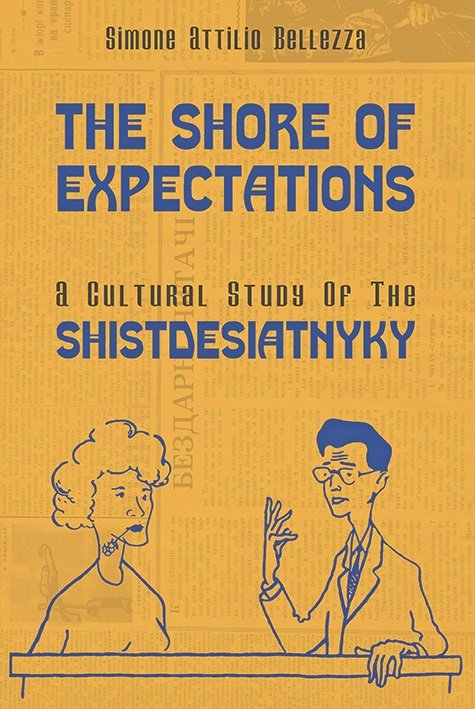
Author: Simone Attilio Bellezza
Translator: Marharyta Yehorchenko
Simone Bellezza reconstructs the history of the shistdesiatnyky—the generation of Soviet Ukrainian intellectuals (artists, writers, scientists) who spearheaded the renaissance of Ukrainian national culture in the 1960s. Bellezza’s analysis begins with the awakening of artistic and literary expression during the so-called Soviet Thaw and describes the complex relationship…

Author: Vlad Yakushev
Translator: Fr Jeffrey D. Stephaniuk
Vlad Yakushev has proven the success of his writing not only by the number of book sales in Ukraine, but also by his prescient and patriotic first-hand involvement in the events he describes. He defended Ukraine in the years before Russia’s full-scale war, and he continues to fight since 2022…
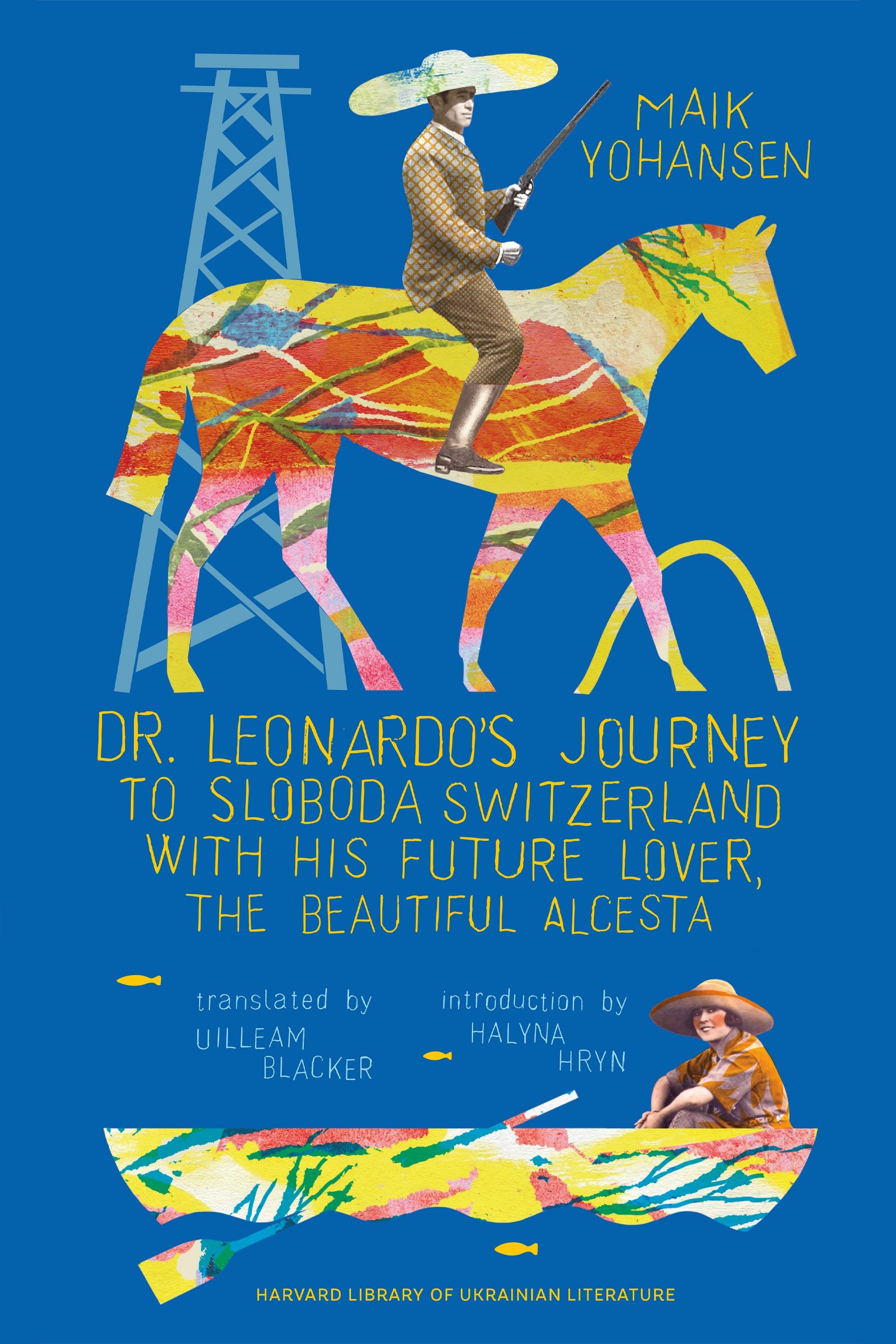
Author: Maik Yohansen
Translator: Uilleam Blacker
Italian doctor Leonardo Pazzi and Alceste, his “future lover,” travel through the picturesque, hilly region of Sloboda, near Kharkiv in northeastern Ukraine, and experience a series of encounters with local Ukrainians and nature itself, with disappearances and transformations that are filled with paradoxes and unmotivated twists…
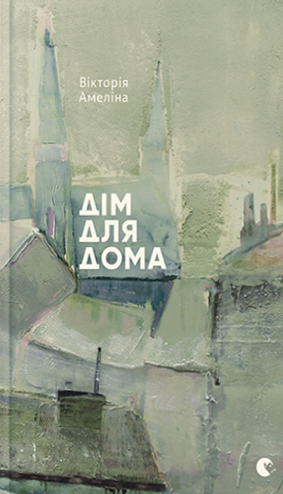
Author: Victoria Amelina
Translator: Grace Mahoney
Victoria Amelina’s award-wining novel, Dom’s Dream Kingdom, prods the complexities of Ukraine’s transition to independence after the Soviet collapse. Following members of the Tsilyk family, who settle in Lviv in the 1990s, the novel unearths their multigenerational ties from Baku to Berlin, while considering the forgotten lives that once inhabited the family’s new apartment…

Author: Eugenia Kononenko
Translators: Rostyslav Nyemtsev, Felicia Mihali
Eugenia Kononenko’s book masterfully helps the reader travel through the past. Ivan Ivak, the main character of this novel, is both a former writer in the Soviet Union and a KGB employee who puts people to death. After the collapse of communism, he dies under unexplained circumstances, leaving behind a body of second-rate literary work that no one reads…

Author: Yuri Andrukhovych
Translator: Vitaly Chernetsky
Darlings of Justice is the sixth novel by Yuri Andrukhovych, a leading contemporary Ukrainian author. Subtitled “a parahistorical novel in eight and a half episodes,” the book marked Andrukhovych’s long-awaited return to plot-driven narrative prose from works in a more essayistic mode. The entire novel is closely linked to Ukraine. As a result, it can be read as a powerful meditation on the puzzles and …
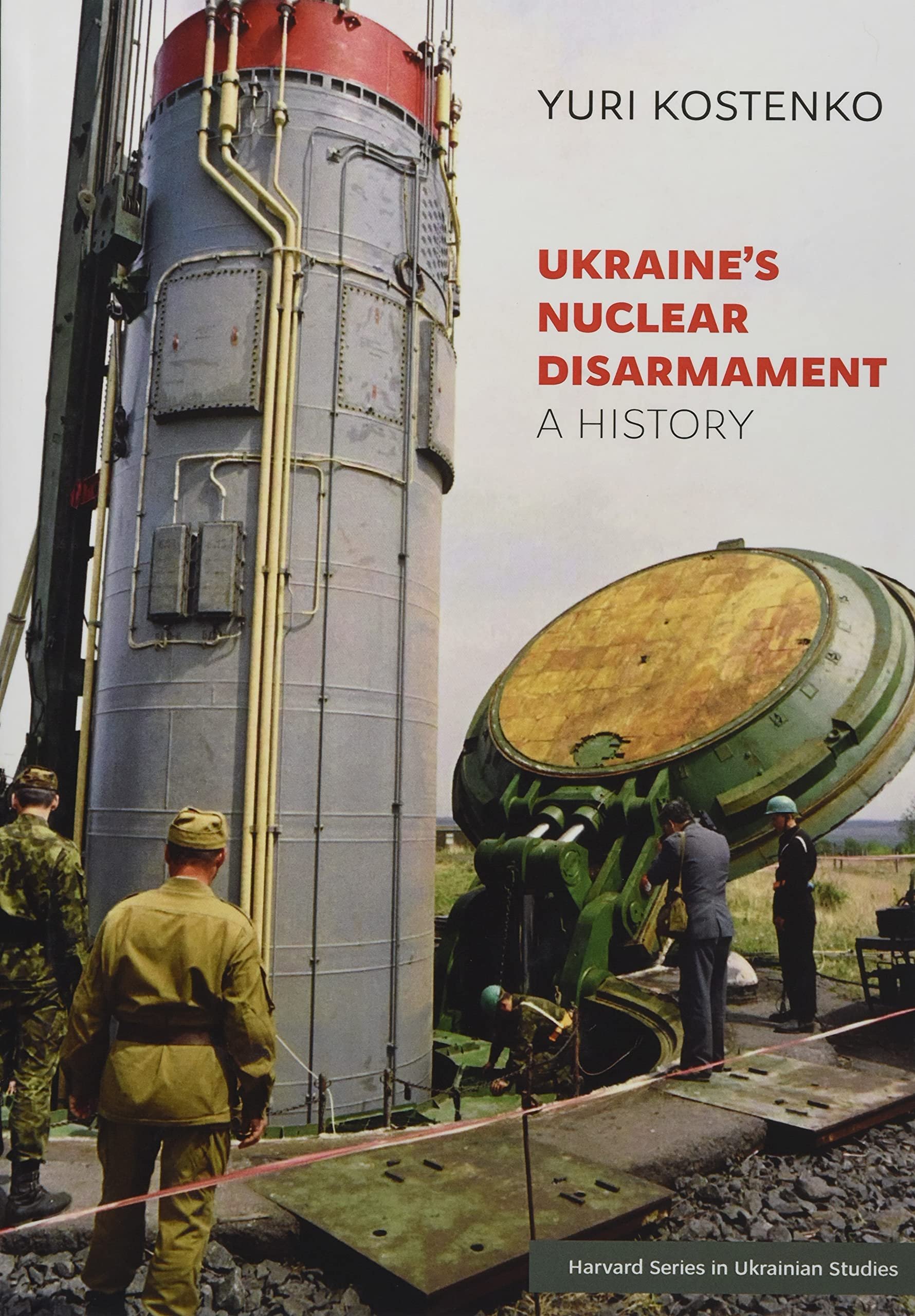
In December 1994, Ukraine gave up the third-largest nuclear arsenal in the world and signed the Non-Proliferation Treaty, having received assurances that its sovereignty would be respected and secured by Russia, the United States, and the United Kingdom.
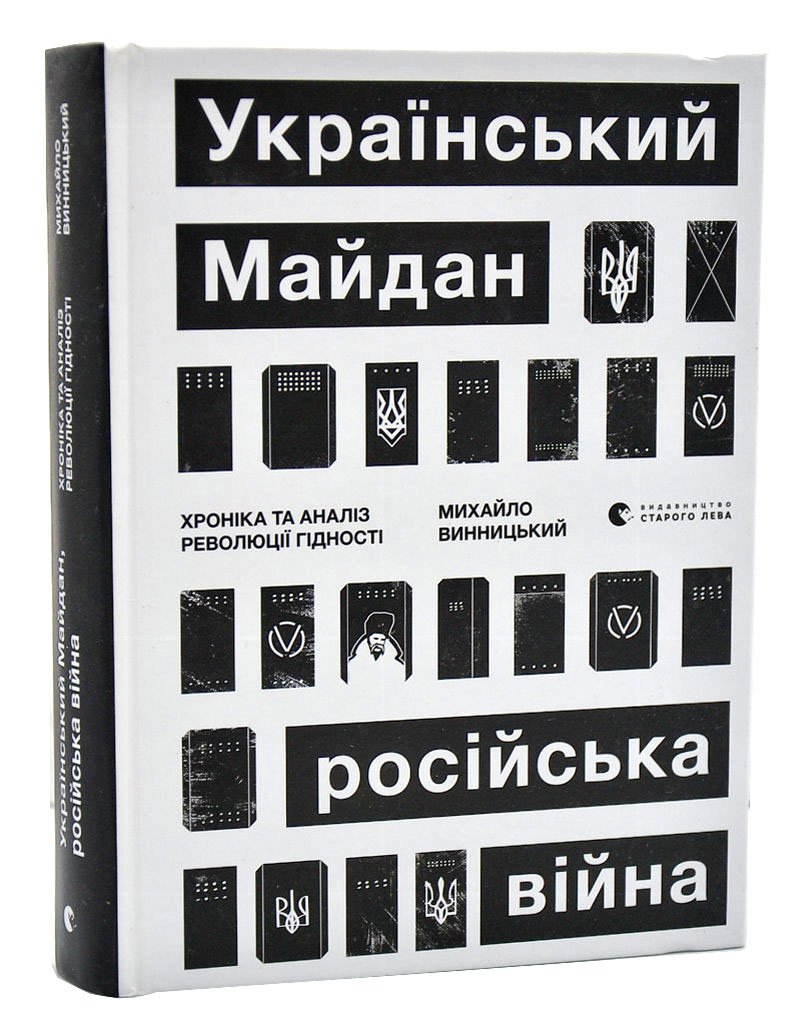
In this book, the Canadian-born scholar Mychailo Wynnyckyj interprets the fate of the Ukrainian Revolution of Dignity as a turning point, not only in the modern history of Ukraine, but, in fact, in the history of Western civilization. It is a very positive development that the book’s unique analysis, once only available to English readers, is now accessible to a Ukrainian audience.

Translated from the second edition of the original work published in 2012 by the University of Kyiv Mohyla Academy Publishing House, the 2020 translation attempts to provide a broader historical context to a wider Polish-Ukrainian civil war that was not rooted in one event, namely 1943 Volhynia, but rather began in 1942 and ended in 1947.
Translations-in-Progress Grant
Author: Matthew Green
Translator: Iryna Reformator
Aftershock follows the journey of veterans as they return from the battlefield into civilian life, exploring the hidden wounds of war—psychological trauma, moral injury, and the struggle to heal. Green presents vivid narratives of ex-servicemen and women whose return is marked by anguish, guilt, and dislocation, set against the broader evolution of military psychiatry from “shell shock” to modern PTSD. Through rigorous research and empathetic storytelling, Aftershock asks what it means “to survive peace” and calls for a more compassionate response to the long, often invisible cost of war.
Author: Iryna Vilde
Translator: Ali Kinsella
Butterflies Under Glass by Iryna Vilde is a beautifully crafted coming-of-age story set in a diverse Ukraine on the brink of change. With warmth and psychological depth, Vilde follows a young girl’s journey toward self-understanding amid friendship, pain, and hope. Her prose recalls the emotional intensity of Elena Ferrante, yet it remains distinctly Ukrainian in its vision of independence and resilience. Long cherished at home, Butterflies Under Glass now reaches English readers as a rediscovered classic of world literature.
Author: Alex Averbuch
Translators: Oksana Maksymchuk, Max Rosochinsky
This volume presents the first standalone English translations of a selection of poems by Alex Averbuch, drawn from his acclaimed collection The Jewish King (Kyiv, 2021), which was shortlisted for Ukraine’s Shevchenko National Prize. Averbuch’s work examines the region’s layered history—war, occupation, oppression, displacement—through the lens of personal and family stories. Many poems are rooted in archival “found texts”: letters from Ostarbeiters and Holocaust survivors, preserved in their original dialect and orthographic irregularities, creating a powerful, haunting “poetry of memory.” The volume’s final cycle confronts the current Russo-Ukrainian war, especially in Averbuch’s native Luhansk region, bearing witness to destruction, displacement, and resilience in the present day.
Author: Philippe de Lara
Translator: Dmytro Karatieiv
Naissances du totalitarisme by Philippe de Lara offers a profound exploration of the origins and evolution of totalitarian ideologies in the twentieth century. Through an analysis of communist, fascist, and Nazi revolutions, de Lara reveals how political violence and systems of control take root and sustain themselves. His study sheds light on the mechanisms of fear, propaganda, and conformity that enable such regimes to flourish—and ultimately collapse.
For Ukraine, a nation that endured Soviet totalitarianism and now faces renewed authoritarian aggression, this book carries urgent relevance. It serves as both a historical reflection and a warning, deepening understanding of how democracy can be defended against its most dangerous enemies.
Author: Philippe de Lara
Translator: Dmytro Karatieiv
Naissances du totalitarisme by Philippe de Lara offers a profound exploration of the origins and evolution of totalitarian ideologies in the twentieth century. Through an analysis of communist, fascist, and Nazi revolutions, de Lara reveals how political violence and systems of control take root and sustain themselves. His study sheds light on the mechanisms of fear, propaganda, and conformity that enable such regimes to flourish—and ultimately collapse.
For Ukraine, a nation that endured Soviet totalitarianism and now faces renewed authoritarian aggression, this book carries urgent relevance. It serves as both a historical reflection and a warning, deepening understanding of how democracy can be defended against its most dangerous enemies.
Author: Amelia M. Glaser
Translator: Iaroslava Strikha
Stories of Khmelnytsky: Competing Literary Legacies of the 1648 Ukrainian Cossack Uprising explores the life and legacy of Bohdan Khmelnytsky, the Cossack leader whose 1648 revolt against foreign rule helped shape the Ukrainian nation. Remembered as both a founder and a controversial figure, Khmelnytsky’s image has been reinterpreted for centuries across Ukrainian and Russian narratives. This collection brings together leading scholars to examine how his story has been used to define national identity and political legitimacy—and how those interpretations still resonate amid Russia’s war against Ukraine. Featuring essays by George Grabowicz, Frank Sysyn, Adam Teller, and others, Stories of Khmelnytsky invites readers to view history as a space for reflection, dialogue, and renewed understanding.
Author: Eugenia Kuznetsova
Translators: Alina Senchenko, Donato Mancini
The Ladder by Eugenia Kuznetsova is a moving novel about a Ukrainian family suddenly displaced by Russia’s invasion. Just as the main character buys his dream home in Spain to escape his family, he finds himself hosting them—along with their friends and pets—after the war forces them to flee. In this tender, often humorous, story, Kuznetsova explores how love, tension, and resilience intertwine under the strain of exile and uncertainty. Drawing from her own experience as a refugee living in Spain, she captures both the absurdity and the heartbreak of displacement. Written in clear, compassionate prose, The Ladder offers a deeply human glimpse into the cost of war and the endurance of family ties.
Author: Vasyl Stus
Translators: Bohdan Tokarsky, Nina Murray
Vortex: Vasyl Stus’ Selected Early Poetry is the first professional book-length volume of Stus’ poetry in English translation. The book features more than a decade of Stus’ work, from his earliest texts to the period before his arrest by the KGB in 1972. A book of bold experimentation and virtuoso poetic versatility, Vortex captures Stus’ artistic evolution and the shifting political landscape of the USSR during a crucial period, …
Author: Viktoria A. Malko
Translator: Viktoria A. Malko
Viktoria Malko examines the existential threats and ideological choices the Ukrainian intelligentsia faced as the first group targeted during the Holodomor genocide. Due to its influential patriotism and its leadership of Ukraine’s strong tradition of struggle for national liberation, the “brain of the nation”—the intelligentsia —became the epicentre of the Soviet-orchestrated genocide…
Author: Thomas Prymak
Translator: Nadia Zavorotna
This fascinating and fluidly written book is unique in that it is the first scholarly monograph to treat Ukraine's relations to the world outside eastern Europe. Thomas Prymak addresses geographical knowledge, international travel, political conflicts, historical relations with religiously diverse neighbours, artistic developments, and literary and language contacts to smash…
Author: Andriy Semotiuk
Translator: Halyna Stashkiw
Solomea Krushelnytska was Ukraine's greatest opera star and a leading lyric-dramatic soprano in the Golden Age of opera in the first decade of the 1900s. Known as the soprano who “rescued” Giacomo Puccini’s Madama Butterfly, her legacy is revered in Ukraine and her life is only now coming to light in Europe and North America. The English-language book, released in 2022,…
Author: Simone Attilio Bellezza
Translator: Marharyta Yehorchenko
Simone Bellezza reconstructs the history of the shistdesiatnyky—the generation of Soviet Ukrainian intellectuals (artists, writers, scientists) who spearheaded the renaissance of Ukrainian national culture in the 1960s. Bellezza’s analysis begins with the awakening of artistic and literary expression during the so-called Soviet Thaw and describes the complex relationship…
Author: Vlad Yakushev
Translator: Fr Jeffrey D. Stephaniuk
Vlad Yakushev has proven the success of his writing not only by the number of book sales in Ukraine, but also by his prescient and patriotic first-hand involvement in the events he describes. He defended Ukraine in the years before Russia’s full-scale war, and he continues to fight since 2022…
Author: Maik Yohansen
Translator: Uilleam Blacker
Italian doctor Leonardo Pazzi and Alceste, his “future lover,” travel through the picturesque, hilly region of Sloboda, near Kharkiv in northeastern Ukraine, and experience a series of encounters with local Ukrainians and nature itself, with disappearances and transformations that are filled with paradoxes and unmotivated twists…
Author: Victoria Amelina
Translator: Grace Mahoney
Victoria Amelina’s award-wining novel, Dom’s Dream Kingdom, prods the complexities of Ukraine’s transition to independence after the Soviet collapse. Following members of the Tsilyk family, who settle in Lviv in the 1990s, the novel unearths their multigenerational ties from Baku to Berlin, while considering the forgotten lives that once inhabited the family’s new apartment…
Author: Eugenia Kononenko
Translators: Rostyslav Nyemtsev, Felicia Mihali
Eugenia Kononenko’s book masterfully helps the reader travel through the past. Ivan Ivak, the main character of this novel, is both a former writer in the Soviet Union and a KGB employee who puts people to death. After the collapse of communism, he dies under unexplained circumstances, leaving behind a body of second-rate literary work that no one reads…
Author: Yuri Andrukhovych
Translator: Vitaly Chernetsky
Darlings of Justice is the sixth novel by Yuri Andrukhovych, a leading contemporary Ukrainian author. Subtitled “a parahistorical novel in eight and a half episodes,” the book marked Andrukhovych’s long-awaited return to plot-driven narrative prose from works in a more essayistic mode. The entire novel is closely linked to Ukraine. As a result, it can be read as a powerful meditation on the puzzles and …
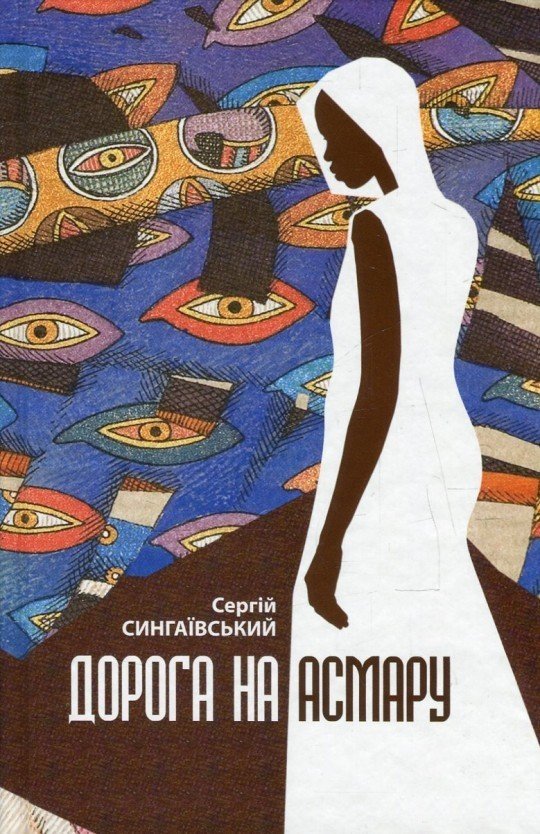
Author: Serhiy Synhaivsky
Translator: Ksenia Maryniak
In the words of Ukrainian writer, Oksana Zabuzhko: “Road to Asmara is the best book written in Ukrainian in the past decade. This book has a great future not only because it’s well written. It is essentially the first Ukrainian viewpoint on the history of the Soviet Union’s colonial wars in the 20th century. It has yet to reach the wider public, with the exception of the no-nonsense men who were forced into Soviet Army duty, if not in Afghanistan then other military arenas…
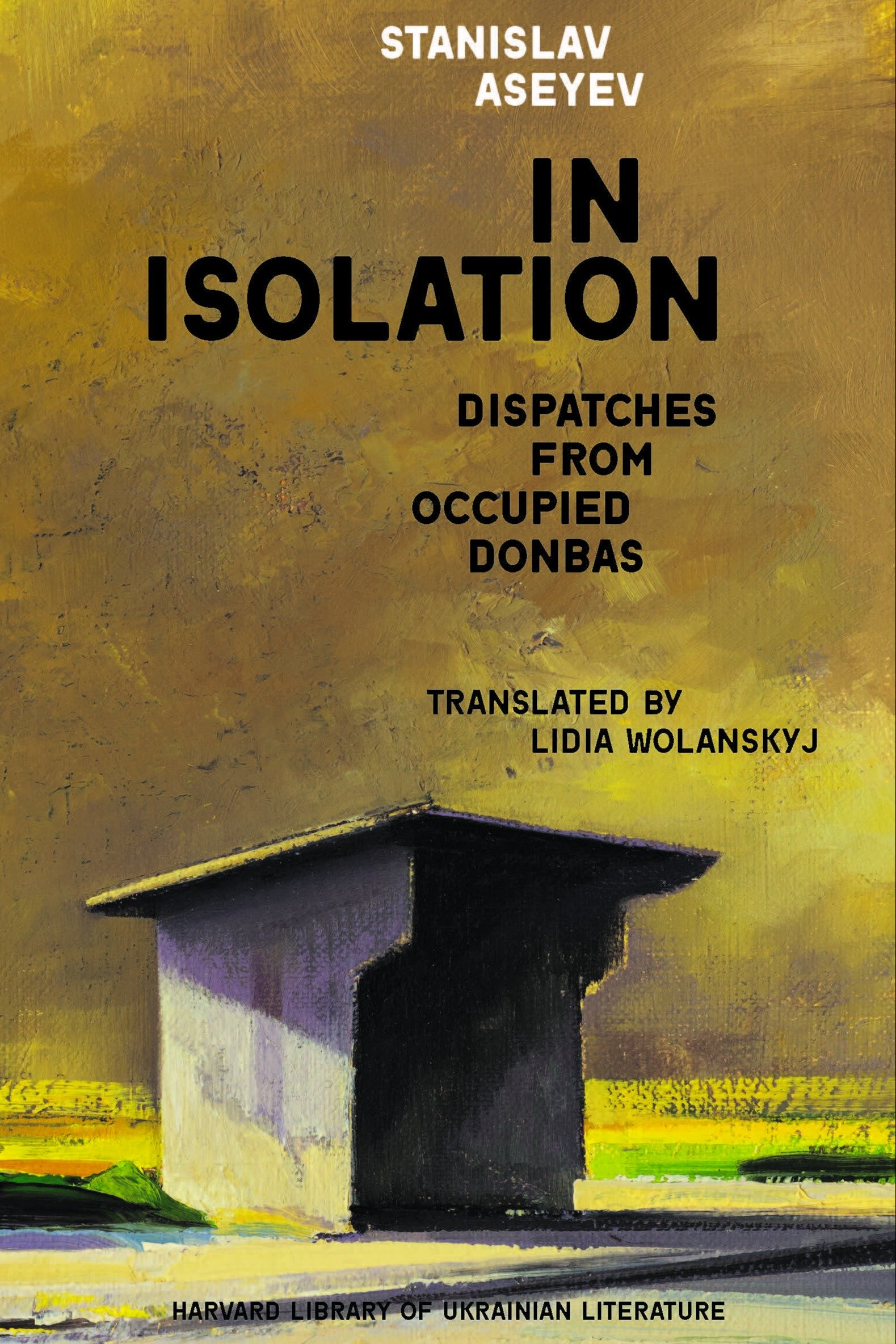
Author: Stanislav Aseyev
Translator: Lidia Wolanskyj
In this exceptional collection of dispatches from occupied Donbas, writer and journalist Stanislav Aseyev details the internal and external changes observed in the cities of Makiïvka and Donetsk in eastern Ukraine.

Author: Oksana Lutsyshyna
Translator: Nina Murray
"Ivan and Phoebe" won Ukraine’s Taras Shevchenko National Prize for Literature in 2021. The novel chronicles the lives of several young people involved in the Revolution on the Granite in 1990.

Author: Tanja Maljartschuk
Translator: Zenia Tompkins
Published in Ukraine by Old Lion Publishing in 2016, Tanja Maljartcshuk’s Forgottenness («Забуття») was the winner of the BBC Book of the Year Award. This literary, psychological, and historical novel, written in hauntingly sparse and deliberate prose, chronicles the mental and emotional journey of a young Ukrainian woman searching through her nation’s past for footprints to guide her through the present.

Author: Mykola Horbal
Translator: Myroslava Stefaniuk
This is a translation of poems and song lyrics written by Mykola Horbal — a poet, musician, and human rights activist, who was repressed by the totalitarian Soviet regime and imprisoned three times in the Gulag for "anti-Soviet agitation and propaganda."

Author: Oleksandr Hrytsenko
Translator: Ksenia Maryniak
Originally published in 2019 by the Kuras Institute of Political and Ethnic Studies of the National Academy of Sciences of Ukraine, Oleksandr Hrytsenko’s monograph is rich in both primary and secondary sources, providing a broad and comprehensive view of Ukraine’s politics of decommunization in the context of social, political, and cultural transformations in the post-totalitarian and, in some respects, postcolonial country.

Author: Vasyl Makhno
Translator: Ali Kinsella
With narratives that move back and forth from the 17th century to the present, Vasyl Makhno's Eternal Calendar layers local, Ukrainian history onto global histories. Various ethnic groups come together and interact in the delineated space of a small town in what the author calls the "Brownian motion of history."
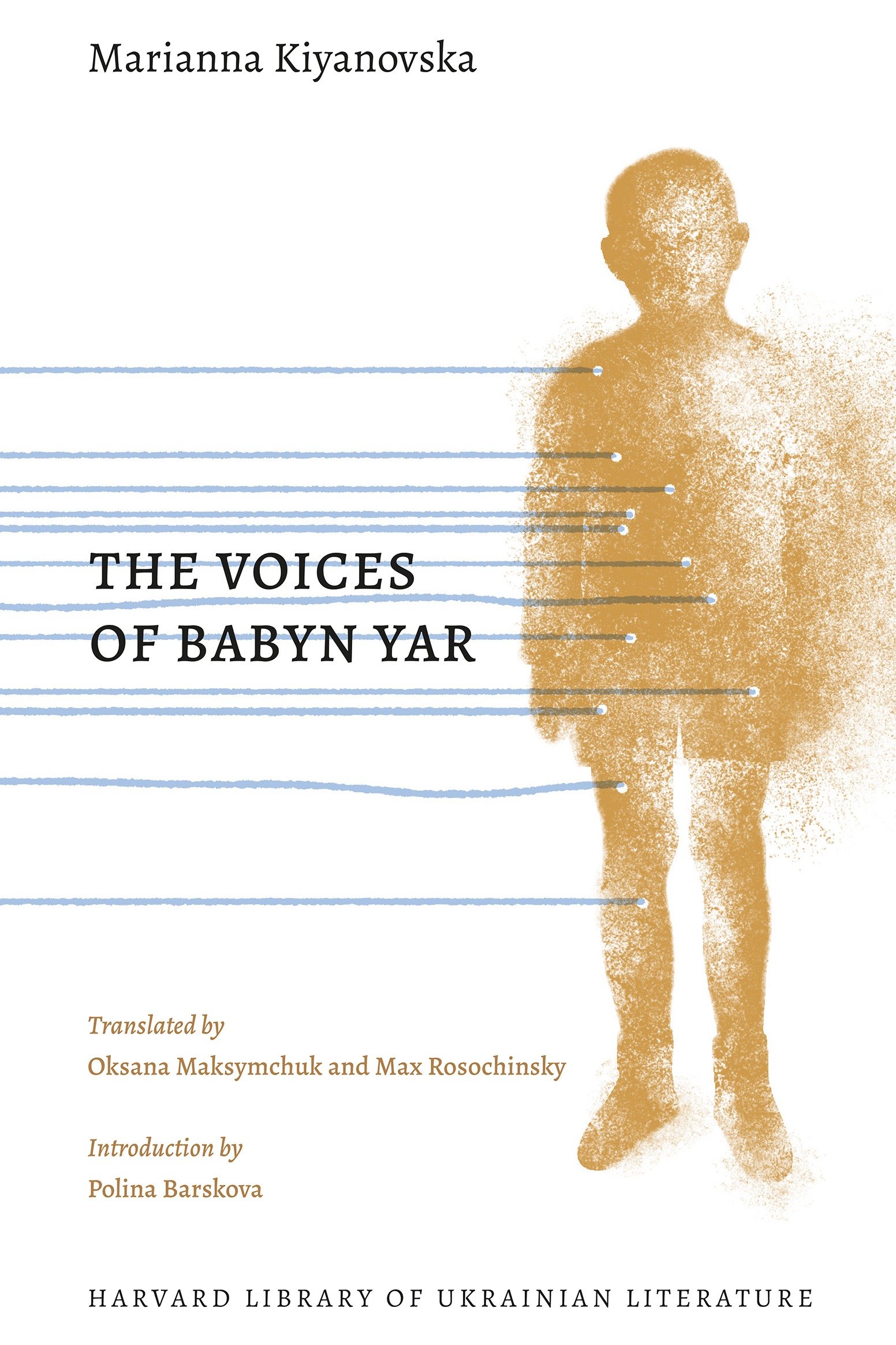
Author: Marianna Kiyanovska
Translators: Oksana Maksymchuk, Max Rosochynsky
This is a translation of Marianna Kiyanovska’s book of poetry The Voices of Babyn Yar, which was awarded Ukraine’s highest literary state prize in 2020, the Shevchenko National Prize for Literature. Originally published in Kyiv by Dukh i Litera in 2017, the book represents the first stand-alone volume of translations of Kiyanovska’s poetry into the English language.
Search the archive
Acceptance speeches

The Voices of Babyn Yar
Marianna Kiyanovska – Author
Oksana Maksymchuk, Max Rosochinsky – Translators
Harvard Ukrainian Research Institute - Publisher
“In recognition of its masterful use of poetry to convey the unspeakable crimes committed at Babyn Yar, using a first-person perspective of Jewish voices to raise painful questions related to memory and responsibility.”
Author Marianna Kiyanovska's acceptance speech for the 2023 translated book awards.

Mondegreen: Songs about Death and Love
Volodymyr Rafeyenko – Author
Mark Andryczyk – Translator
Harvard Ukrainian Research Institute - Publisher
“In recognition of this book’s contribution to important processes of change in the way writers approach language in contemporary Ukrainian literature,”
Author Volodymyr Rafeyenko’s acceptance speech for the 2023 translated book award

The Torture Camp on Paradise Street
Stanislav Aseyev – Author
Zenia Tompkins, Nina Murray – Translators
Harvard Ukrainian Research Institute - Publisher
“In recognition of this personal memoir that not only testifies to the human rights violations committed by the Russian Federation but also exposes the truth behind the existence of unofficial prisons, illegal deprivation of liberty, and torture carried out by the occupier in the city of Donetsk.”

Survival as Victory: Ukrainian Women in the Gulag
Translated from the original Ukrainian into English
Oksana Kis – Author
Lidia Wolanskyj – Translator
Harvard Ukrainian Research Institute Publications – Publisher
“In recognition of this book’s contribution to women's history and the field of Gulag studies, presented through a rarely explored aspect of Soviet history — the story of Ukrainian female prisoners incarcerated in Stalin's camps.”
Oksana Kis’s speech at the 2021 Translated Book Awards Gala.

Український Майдан, російська війна. Хроніка та аналіз Революції Гідності
(Ukraine’s Maidan, Russia’s War. A Chronicle and Analysis of the Revolution of Dignity)
Translated from the original English into Ukrainian
Mychailo Wynnyckyj – Author
Roman Klochko – Translator
Видавництво Старого Лева (Old Lion) – Publisher
“In recognition of this book’s contribution to a better understanding of one of Ukraine's most consequential modern social movements — the Revolution of Dignity.”
Mychailo Wynnyckyj’s speech to the Peterson Translated Book Award 2021.

Blood Formula
Translated from the original Ukrainian into English
Illiya Titko – Author
Jeffrey Stephaniuk – Translator
Benchmark Press – Publisher
“In recognition of this book’s value as the English-language personal memoir of a volunteer recruit deployed to the frontlines of the current Russian-Ukrainian war.”
Illya Titko Stephaniuk, speech to the Peterson Translated Book Awards, 2023

Ukraine’s Nuclear Disarmament: A History
Translated from the original Ukrainian into English
Yuri Kostenko – Author
Svitlana Krasynsky, Lidia Wolanskyj, Olena Jennings – Translators
Harvard Ukrainian Research Institute Publications – Publisher
“In recognition of its historical documentary value and present-day relevance, providing insight into Ukraine's post-Soviet disarmament process, debunking myths promoted by Russia, and exposing critical strategic errors made by the West.”
Yuri Kostenko’s speech to the 2021 Peterson Translated Book Awards.

The Gordian Knot: The Second Polish-Ukrainian War. 1942-1947
Translated from the original Ukrainian into English
Volodymyr Viatrovych – Author
Ksenia Maryniak – Translator
Published by Horner Press – Publisher
“In recognition of this book’s advancement of new research and analysis, from a Ukrainian viewpoint, of a historically sensitive period in Ukrainian-Polish relations, which will no doubt help generate future academic discussions on this topic.”

Oleh Kotsyuba's speech as the publisher (Ukrainian Research Institute, Harvard University) of The Voices of Babyn Yar at the 2023 Peterson Translated Book Awards.

Oleh Kotsyuba's speech as the publisher (Ukrainian Research Institute, Harvard University) of The Torture Camp on Paradise Street at the 2023 Peterson Translated Book Awards.

“Recognized for its archival value in providing historians with multigenerational testimonies of Ukrainian Canadian women whose personal stories were shaped by the tumultuous events of two world wars.”
The Extraordinary Lives of Ukrainian Canadian Women Oral Histories of the Twentieth Century
Iroida Wynnyckyj – Editor
Marta Olynyk – Translator
Canadian Institute of Ukrainian Studies Press - Publisher
Keynote and special guest speeches


This groundbreaking book showcases an overlooked chapter in the history of Stalin’s notorious Gulag —the untold story of the hundreds of thousands of Ukrainian women arrested, sentenced, and imprisoned in the vast network of Soviet labour camps…